Teaching Scarcity Through Zoo Design
In my economics classroom, I am always searching for ways to turn abstract theories into tangible experiences that resonate with high schoolers. To achieve this, I introduced the Zoo Under Scarcity project, a summative simulation that challenges students to manage a complex organization from the ground up. This project bridges the gap between our curriculum and the real world by forcing students to grapple with the intersection of geography, financial literacy, and civic planning. It moves beyond simple definitions to show how the fundamental problem of scarcity dictates every decision a community or business must make. Ultimately, we used the concept of a zoo to explore how limited resources must be carefully balanced to meet unlimited wants.
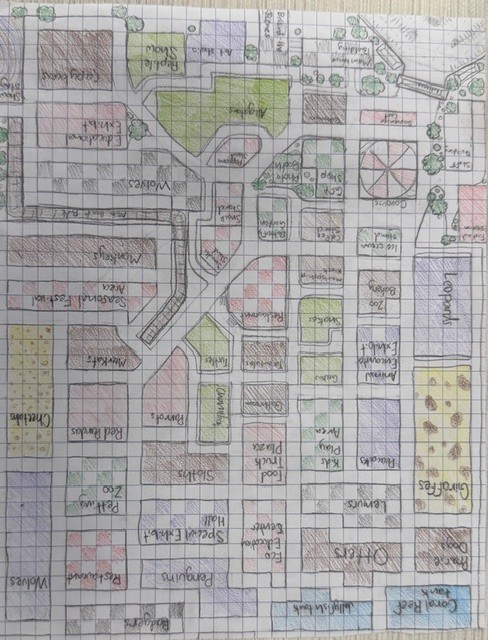
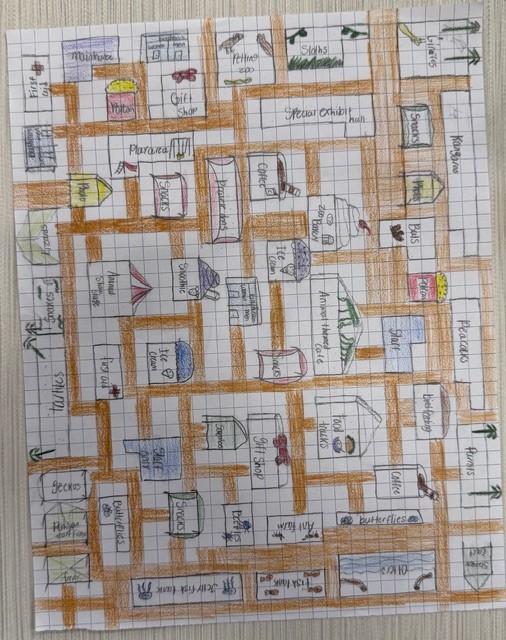
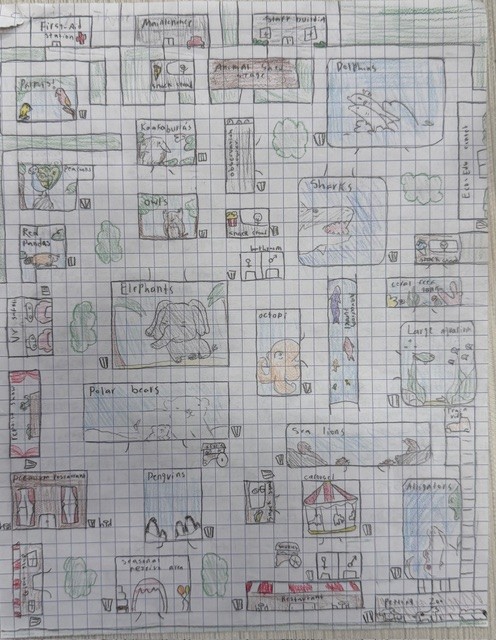
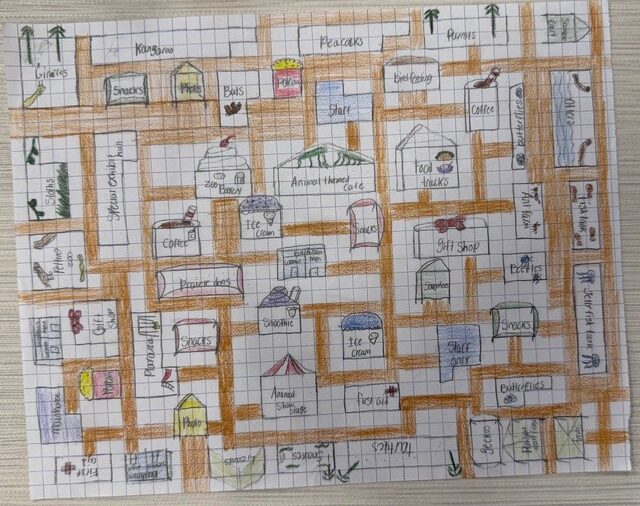
The assignment required students to hand-draw a complete zoo map on a 1,344-square grid, ensuring every enclosure and facility was both accessible and walkable. Once the physical layout was set, the real challenge began as they moved to their budget calculators to account for daily animal costs and operational expenses. Students had to make agonizing choices, such as cutting a beloved predator exhibit to make room for revenue-generating gift shops or snack stands. This process turned the classroom into a focused hub of urban planning where students debated the marginal utility of every single square foot of land. Their final submissions included a detailed map, a balanced financial spreadsheet, and a written reflection on the difficult trade-offs they encountered.
Watching my students transition from frustration to pride as their budgets finally balanced was the most rewarding part of this experience. They did not just learn about opportunity cost; they felt it when they sacrificed their favorite animals to ensure their zoo could stay in the black. These young people are now walking away with a deeper understanding of the fiscal responsibility required to lead and sustain any public or private venture. Seeing their creative, colorful designs paired with rigorous mathematical proof of sustainability gave me immense confidence in their future as informed citizens. This project proved that when we give students the tools to solve real-world problems, they rise to the challenge with both logic and heart.
Matthew Cunningham
STEAM Academy
Fayette County Public Schools
Grades 9-12